“The good and the beautiful come to us like the sunshine.”
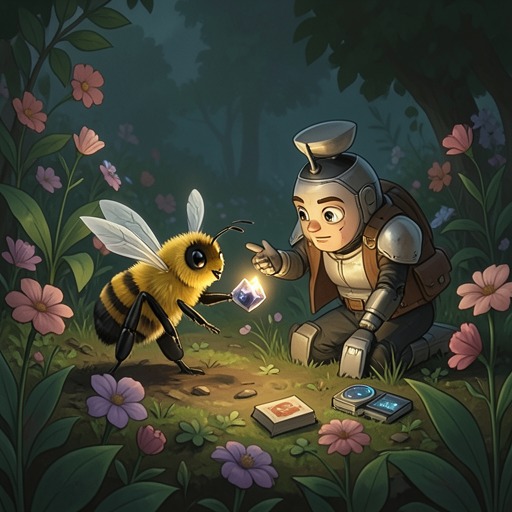
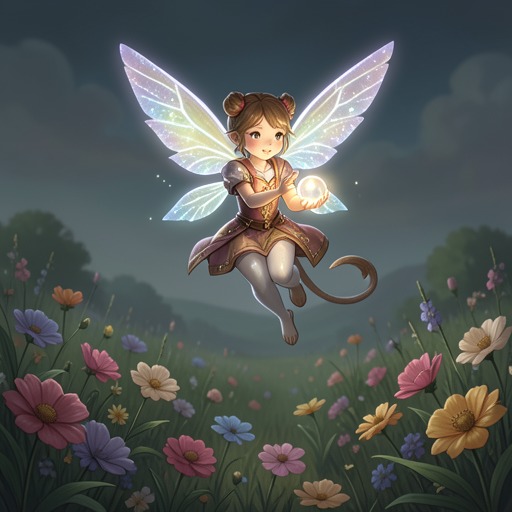
The Adventures of Maya the Bee“The good and the beautiful come to us like the sunshine.” is the elf’s answer when Maya hesitates to voice her wish, insisting that she does not deserve such generosity. The expression presents goodness not as a reward earned by merit, but as a gift that arrives freely; its image of sunshine makes that generosity seem natural and open to all.
The Wish and Its Answer
The phrase occurs as the elf offers to grant Maya her dearest wish. Maya initially protests that she is only a bee and does not deserve the elf’s goodness. Her heart beats stormily as she struggles to confess what she wants, while the elf’s smile seems to make concealment impossible. The answer—introduced by the assertion that no one deserves the good and the beautiful—releases the wish from the logic of deserving. Maya then asks to know human beings at their best and most beautiful.
Meaning in Context
The expression gives the encounter an ethical shape: Maya’s wish is not treated as presumptuous simply because it is large or beyond what she believes she merits. Instead, the elf’s words separate the arrival of goodness from a calculation of worth. The sunshine comparison lends that idea an everyday natural image, in contrast with Maya’s intense, private hesitation. The phrase’s companion assertion, “No one deserves the good and the beautiful,” makes its point explicit, while the sunshine image turns it into a memorable principle of welcome.
A Wider Thematic Echo
The words are not repeated during the later battle, but their claim about freely received goodness finds a thematic echo in the Bees’ conduct as a community. When the hornets approach, the Bees mobilize rapidly, take their assigned places, and defend the hive together; the queen’s call is answered by a battle cry, and the soldiers’ loyalty to their people is presented as a collective source of strength. An older hornet describes them as a unified nation in which each serves the common good without thought of self. The connection broadens the expression’s reach: the good is first offered to Maya as an individual gift, then echoed in a community whose members act for one another.